
Fly fishing reels are often treated as simple line holders, but experienced anglers know better. A high-quality reel is a precision piece of equipment—one that protects your fly line, delivers consistent drag under pressure, and stands up to punishing environments. Proper maintenance ensures that performance stays exactly where it should be, season after season.
Whether you’re fishing freshwater rivers or saltwater flats, a disciplined approach to reel care will extend the life of your gear and eliminate avoidable failures when it matters most.
Why Reel Maintenance Matters
Fly reels operate in conditions that are inherently tough on equipment. Water, fine sediment, sand, and especially salt all contribute to wear over time. Saltwater is particularly aggressive, accelerating corrosion and leaving behind deposits that can affect moving parts if left unchecked.
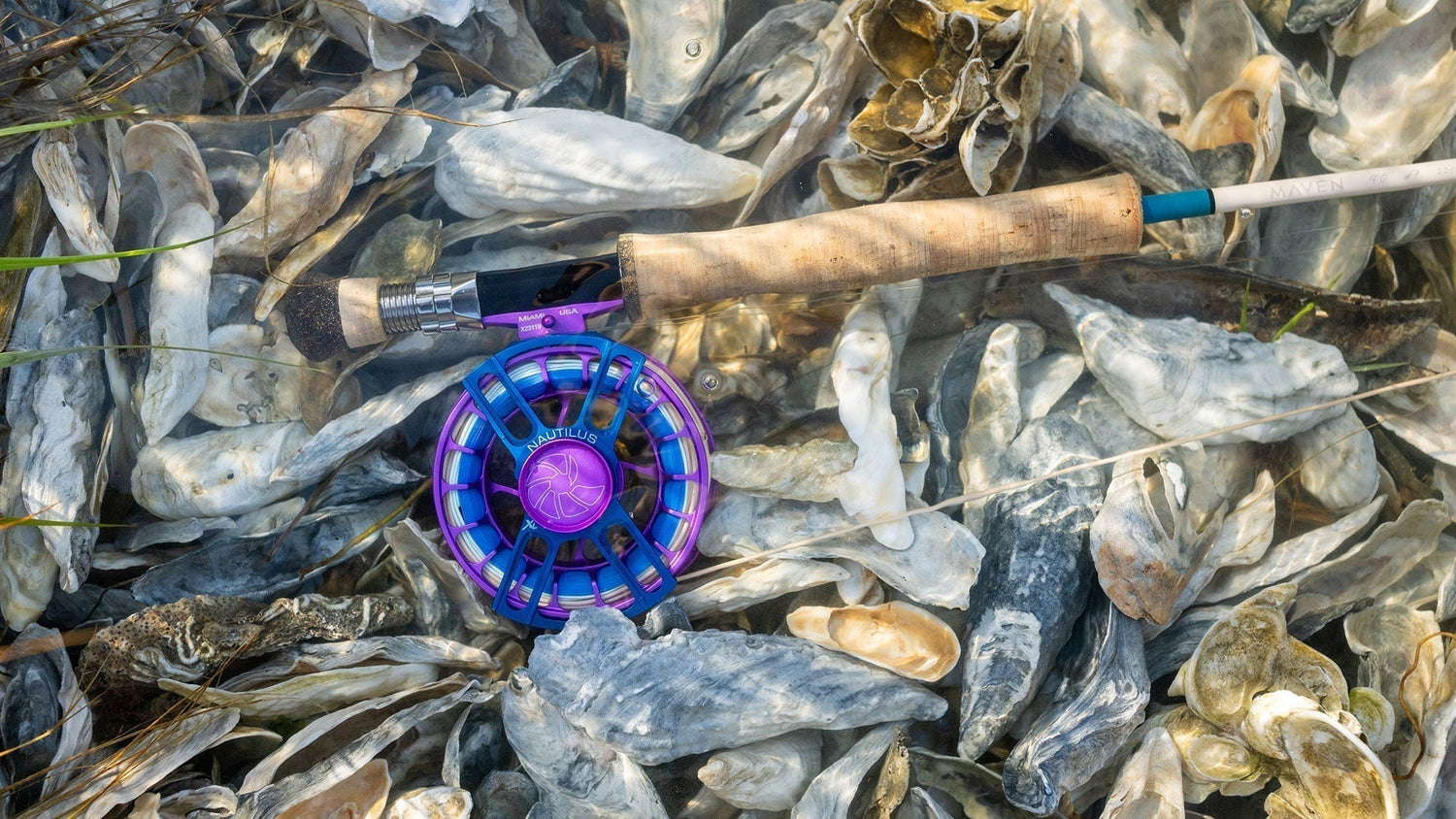
Modern premium reels—like those from Nautilus—are built with sealed drag systems that prevent saltwater and debris from entering critical internal components. This is a significant advantage, as it protects the drag and eliminates the need for internal servicing. However, external exposure to the elements still requires attention.
Consistent maintenance helps:
- Preserve smooth, reliable drag performance
- Prevent corrosion and material degradation
- Extend the lifespan of key components
- Protect your fly line from unnecessary wear
Sealed does not mean maintenance-free—it means the most critical components are protected. The rest of the reel still benefits from routine care.
General Fly Reel Maintenance Best Practices
After each outing—especially in saltwater—simple steps go a long way:
-
Rinse lightly with fresh water
Use a gentle rinse to remove salt and debris. Avoid high-pressure sprays, which can force contaminants into tight spaces.
-
Allow the reel to dry completely
Air drying is essential before storage. Moisture left on the reel can lead to corrosion over time.
-
Inspect for grit or buildup
Pay attention to the spool, frame, and exposed surfaces where debris can accumulate.
-
Back off the drag for storage
Reducing drag tension helps preserve internal components over the long term.
Occasionally:
- Perform a more thorough rinse after heavy exposure to sand or salt
- Apply a medium-heavy all purpose grease around the top of the brake hub
- Check for any irregularities in sound or rotation
The drag system is sealed and maintenance free and does not require any form of maintenance. Do not attempt to disassemble your reel’s brake hub. This will result in damage to a factory installed seal and will void the warranty.
Nautilus® Reel Maintenance Guidelines
Nautilus reels are engineered with fully sealed drag systems designed to keep out saltwater, sand, and debris. This sealed design protects critical internal components and ensures consistent drag performance in the harshest environments. The drag system itself is maintenance-free by design—but like any precision tool, the reel still requires routine external care.
Nautilus® GT Series
For GT series reels, maintenance is simple and effective:
- After each outing, remove the spool by unscrewing the nameplate on the spool.
- Lightly wash down the spool, brake hub, and frame to remove salt and grit.
- Allow the reel to dry completely before replacing the spool on the frame for storage.
If the reel is submerged, there’s no cause for concern—simply repeat these steps.
For added care:
- Sporadically apply a medium-heavy all-purpose grease around the top of the brake hub.
- The drag system is fully sealed and requires no maintenance.
- Do not attempt to disassemble the brake hub. Doing so will damage the factory-installed seal and void the warranty.
Nautilus® X and CCF-X2 Series
These models feature the same sealed drag protection and follow a similarly straightforward process:
- After each outing, remove the spool from the housing.
- Lightly wash down the spool, spool shaft, and housing to remove salt, dirt, or grit.
- Allow all components to dry thoroughly before reassembling for storage.
If submerged, simply perform the same steps—no additional maintenance is required.
Final Thoughts
A sealed drag system is one of the most important advancements in modern fly reel design, and Nautilus has built its reputation around protecting performance where it matters most. By keeping saltwater and debris out of the drag, these reels eliminate the need for internal maintenance and deliver consistent, reliable pressure in demanding conditions.
That said, consistent external care remains essential. A quick rinse, proper drying, and occasional inspection ensure that every component surrounding that sealed system continues to perform as intended.
Take care of your reel, and it will perform exactly as engineered—every cast, every run, every fish.